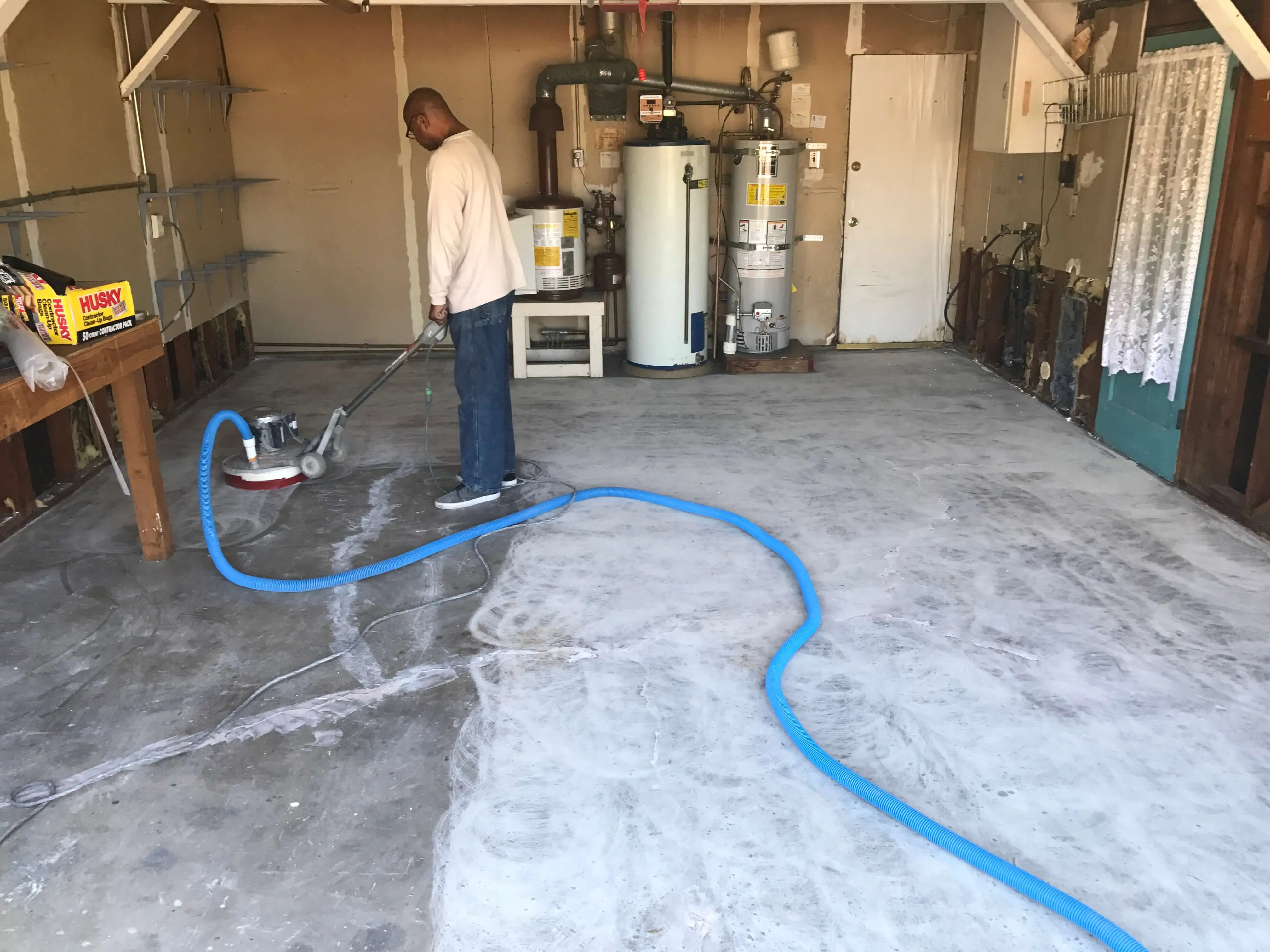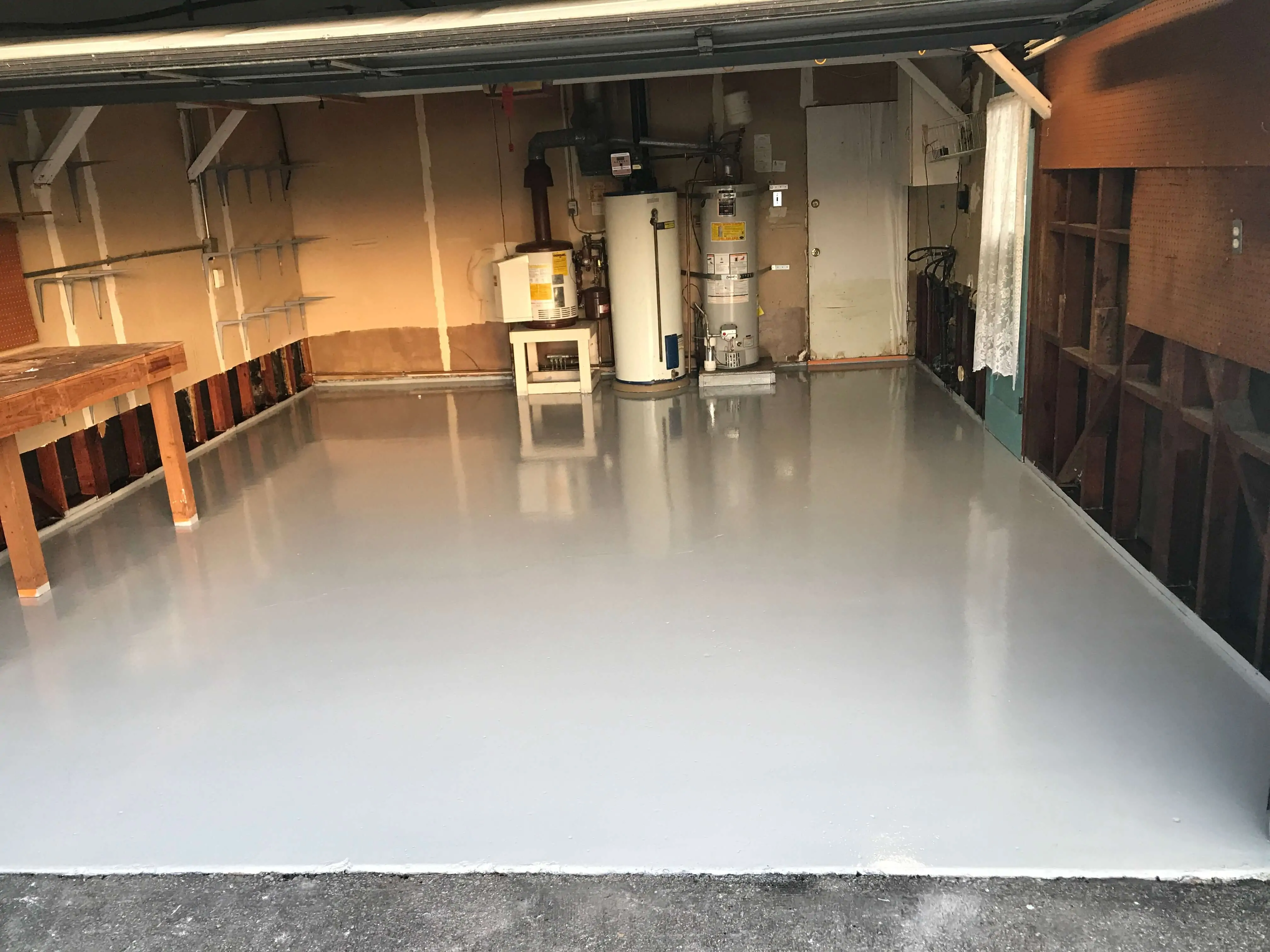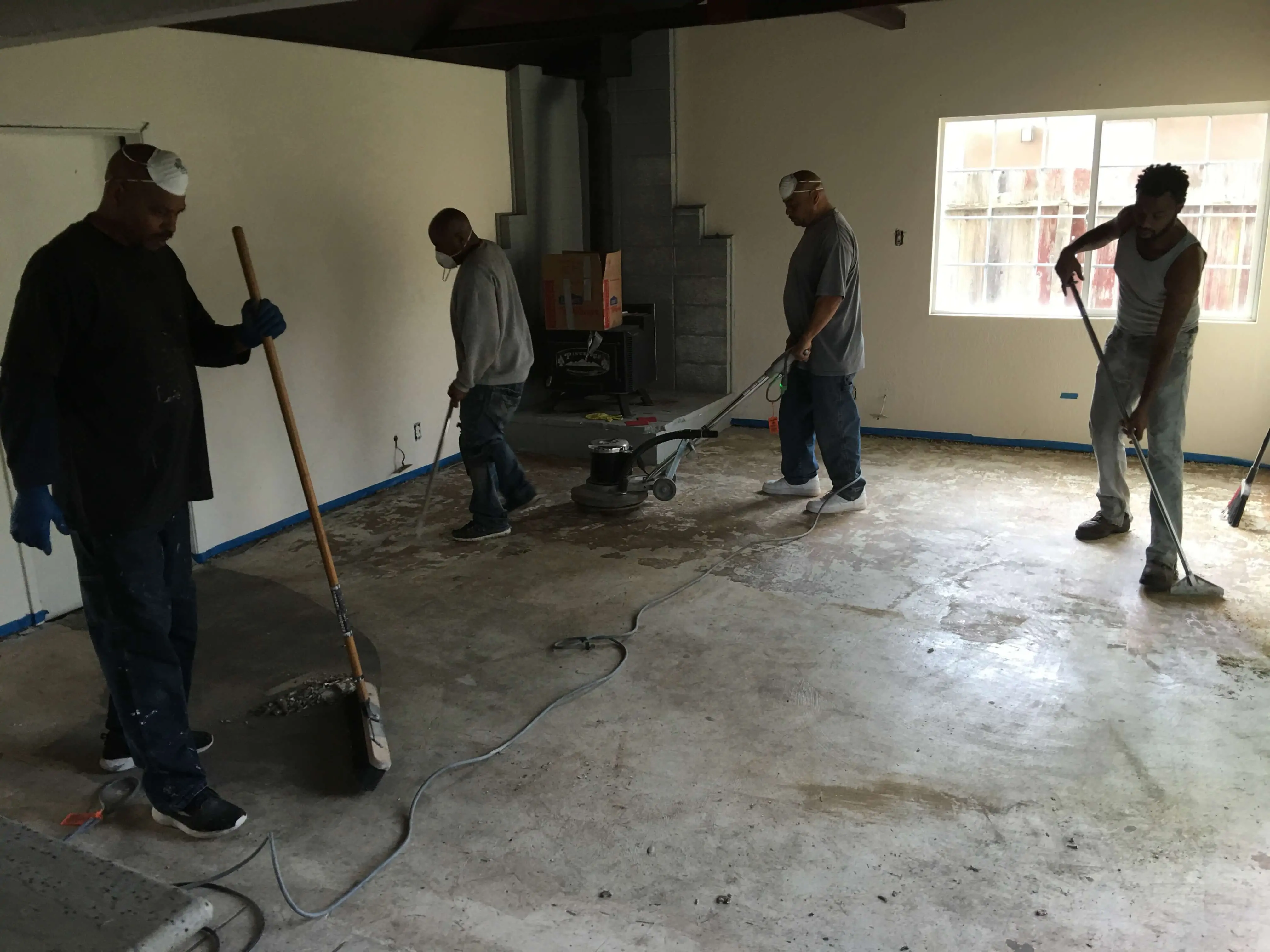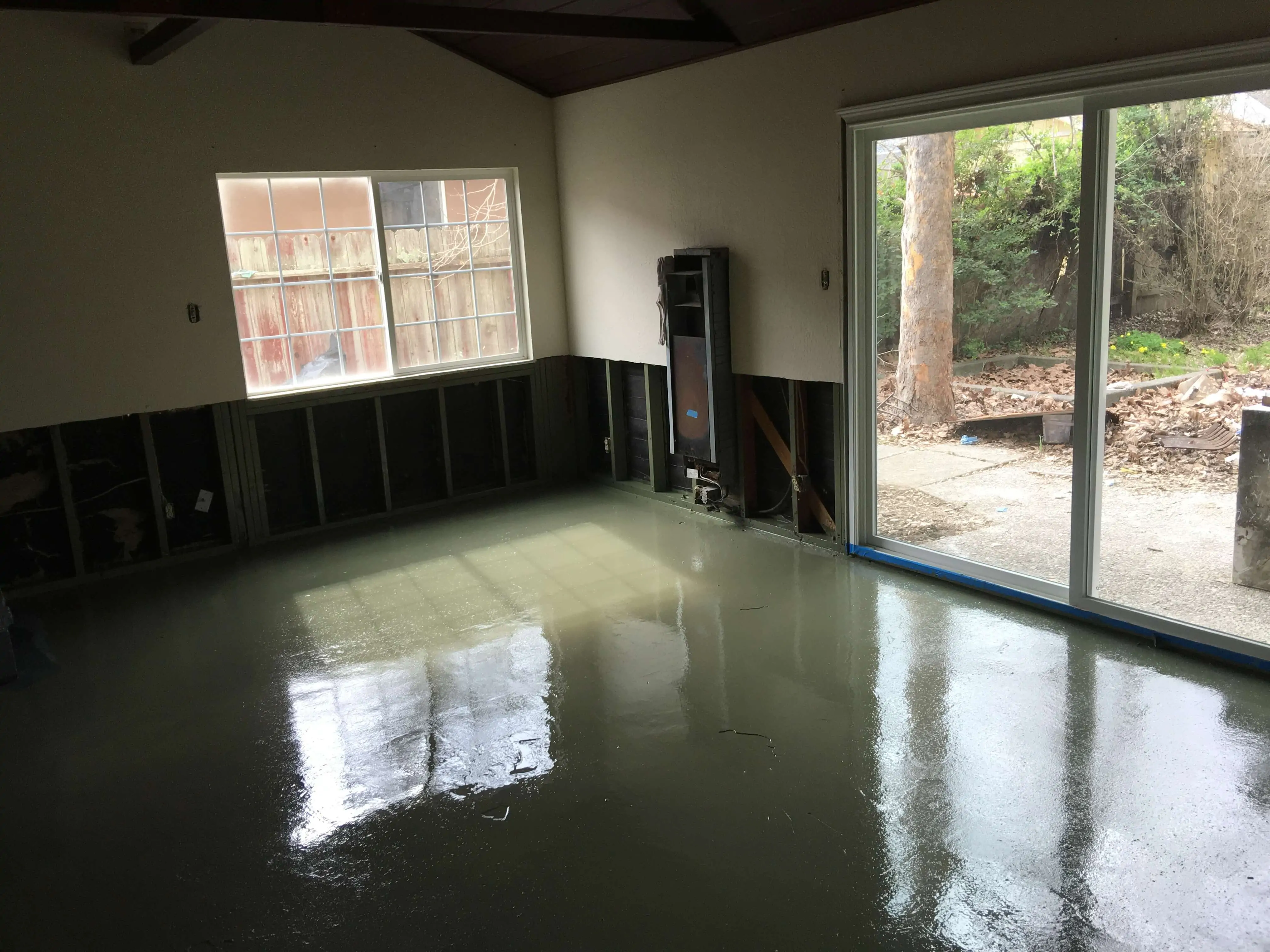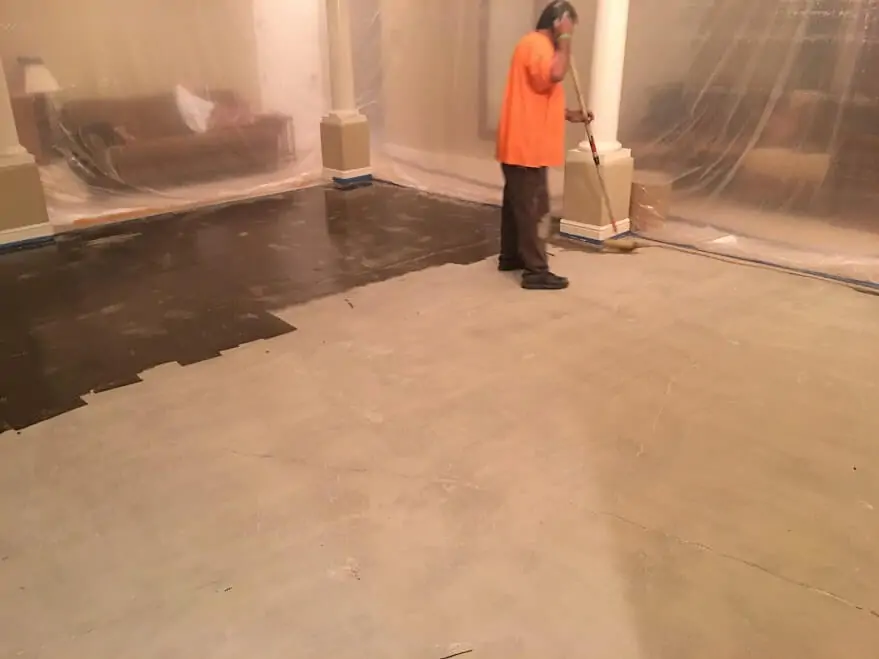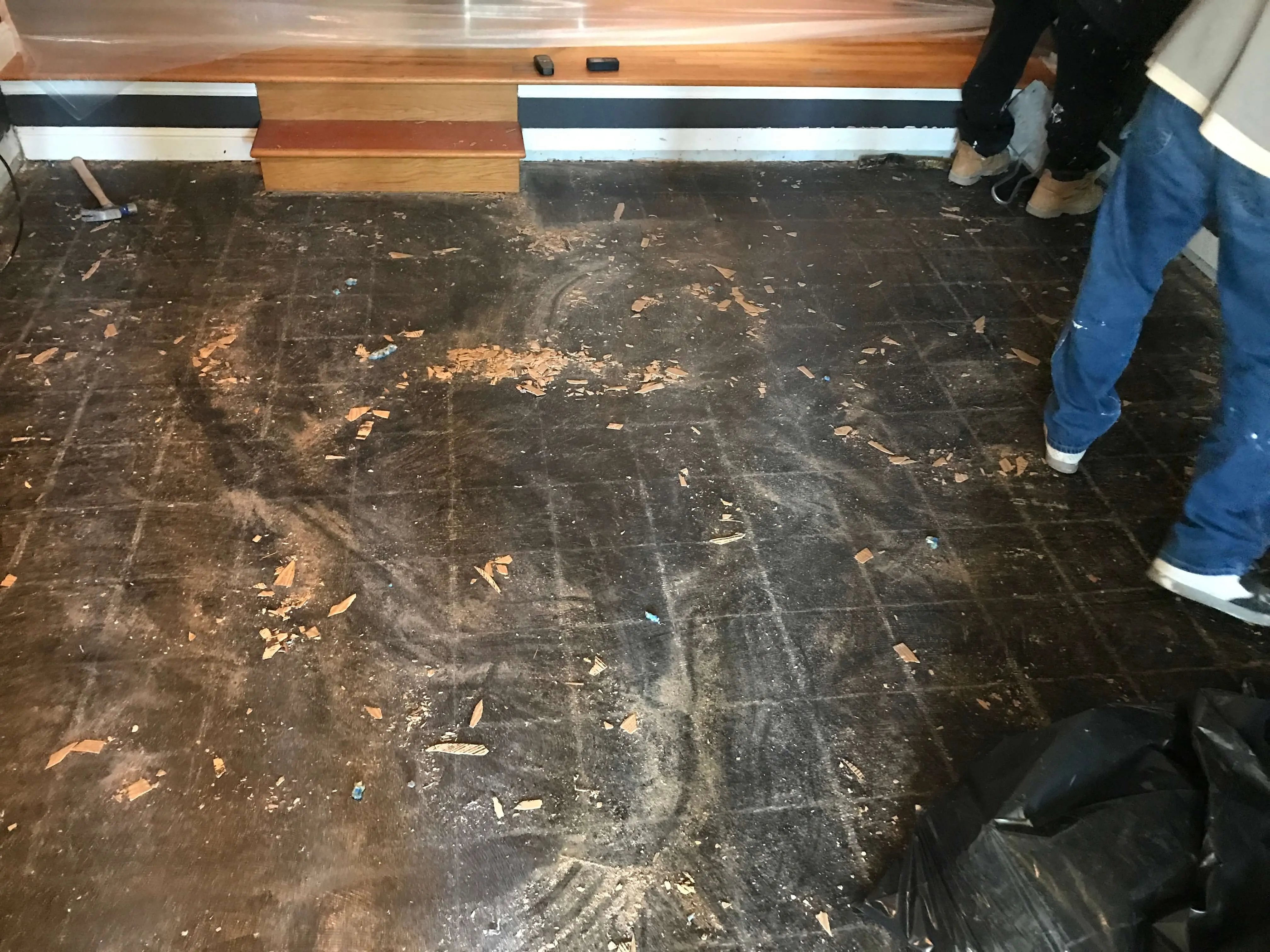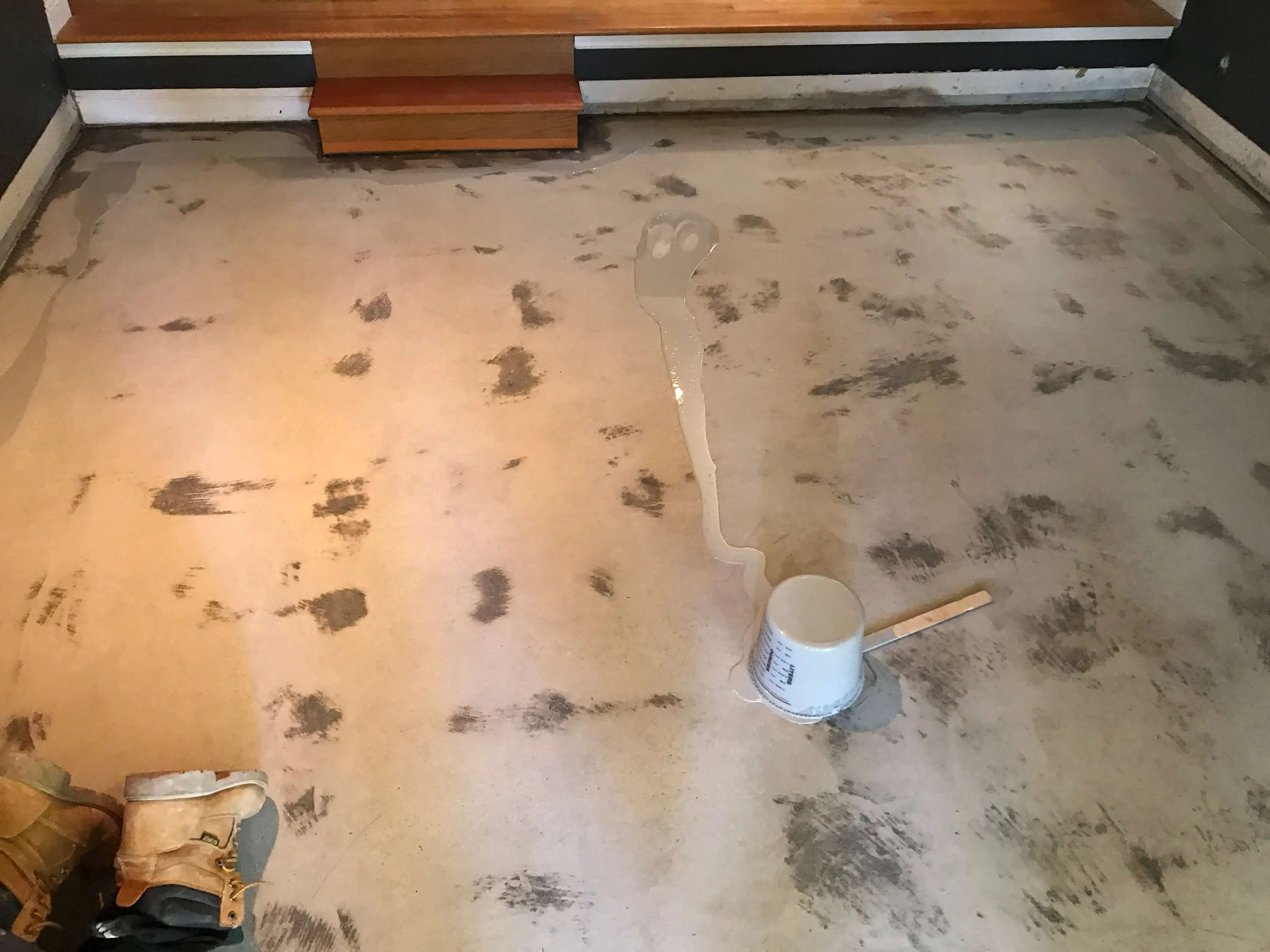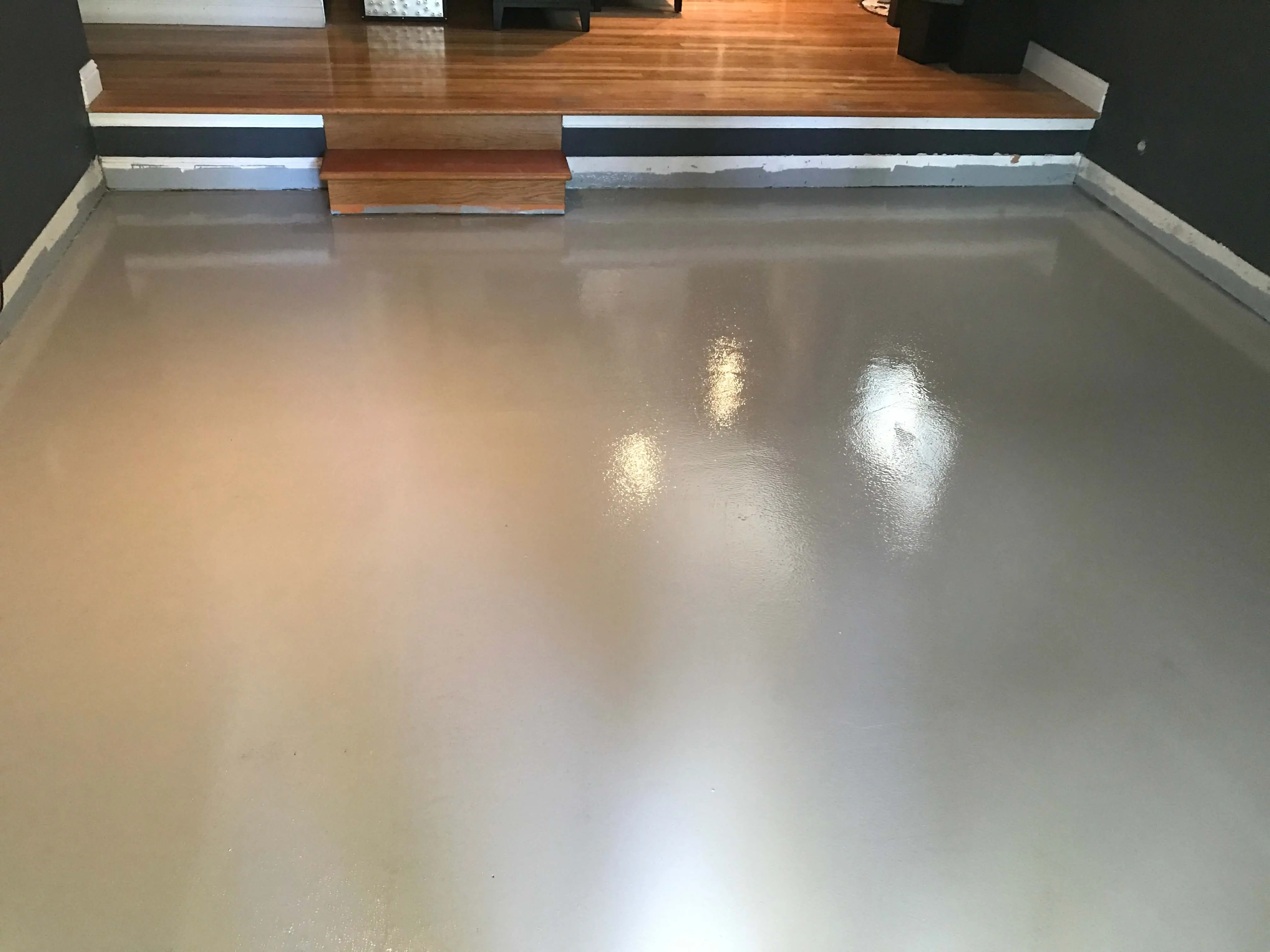
Already sealed, primed, or scrubbed the slab and it still smells? We grind off failed coatings, prepare the concrete properly, and seal the odor source in the slab.
Serving California since 1989·5-Year Odor-Free Guarantee
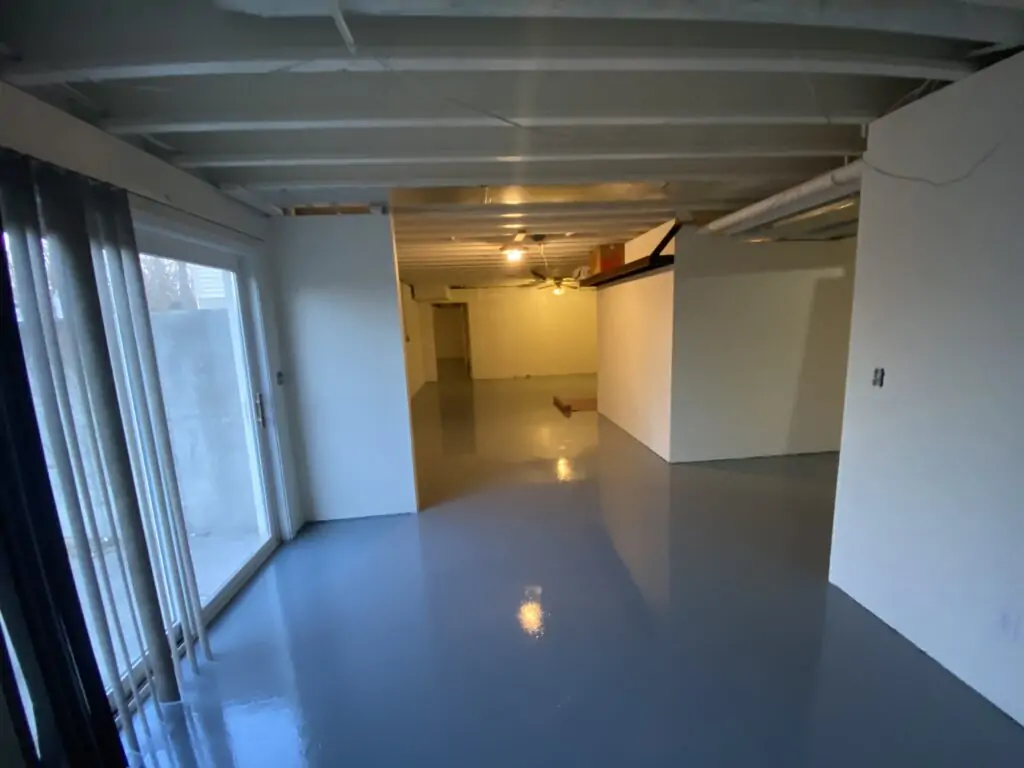
Most of the concrete we treat has already been worked on.
Scrubbed. Pressure washed. Treated with enzyme products. Coated with shellac, oil-based primer, or a concrete sealer bought for the job. Sometimes handled by a professional cleaning company first.
The surface looked clean. Then the slab warmed up, or humidity rose, and the smell came back.
We’ve photographed the results of enough of these attempts to know the pattern. It isn’t that the products were bad. It’s that the contamination isn’t where those products can reach.
If any of these apply, the odor source is in the concrete, not on it:
Several of these together almost always mean contamination inside the concrete.
Concrete looks solid. Structurally it isn’t.
When concrete cures, the water used to mix it evaporates and leaves behind microscopic voids and capillaries running through the slab. Urine wicks into those capillaries and crystallizes inside them. The salts sit below the surface, protected from anything applied on top, and release odor whenever heat or moisture reaches them.
That’s why a slab can be visibly clean and still smell, and why the smell is worst on hot days and after rain.
Cracks and joints make it worse. Urine pools in cracks and travels along cold joints and control joints, so contamination spreads further than the visible stain. The worst concentration in a slab is almost always along those lines and at the edges where the slab meets the wall.
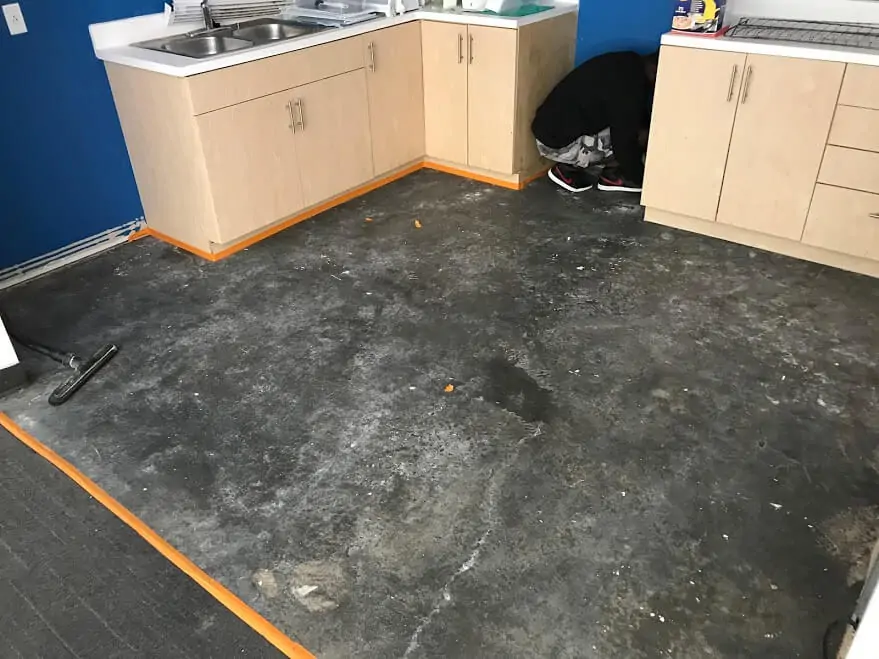
Designed as stain and odor blockers on prepared surfaces. Applied over a contaminated, unprepared slab, they bond to the contamination rather than the concrete. The film eventually fails or vapor migrates around the edges. We remove the failed coating before doing anything else.
Work well as maintenance cleaners on carpet and flooring — that’s what they’re built for. On concrete the issue is depth and time: enzymes need direct contact with the urine, and urine that has been crystallizing inside slab capillaries for months or years is past where a surface application reaches. Many enzyme products also carry deodorizers that mask the odor temporarily, which is why the smell seems to go and then return.
Cleans the surface. It also drives water into the pores, which reactivates the contamination underneath.
Staining shows the heaviest contamination, not the full extent. UV black light routinely shows urine well outside the coated area, and those untreated sections keep releasing odor.
Right products, wrong surface condition. The fix isn’t a stronger product — it’s removing what’s already on the slab and preparing the concrete so treatment reaches the source.
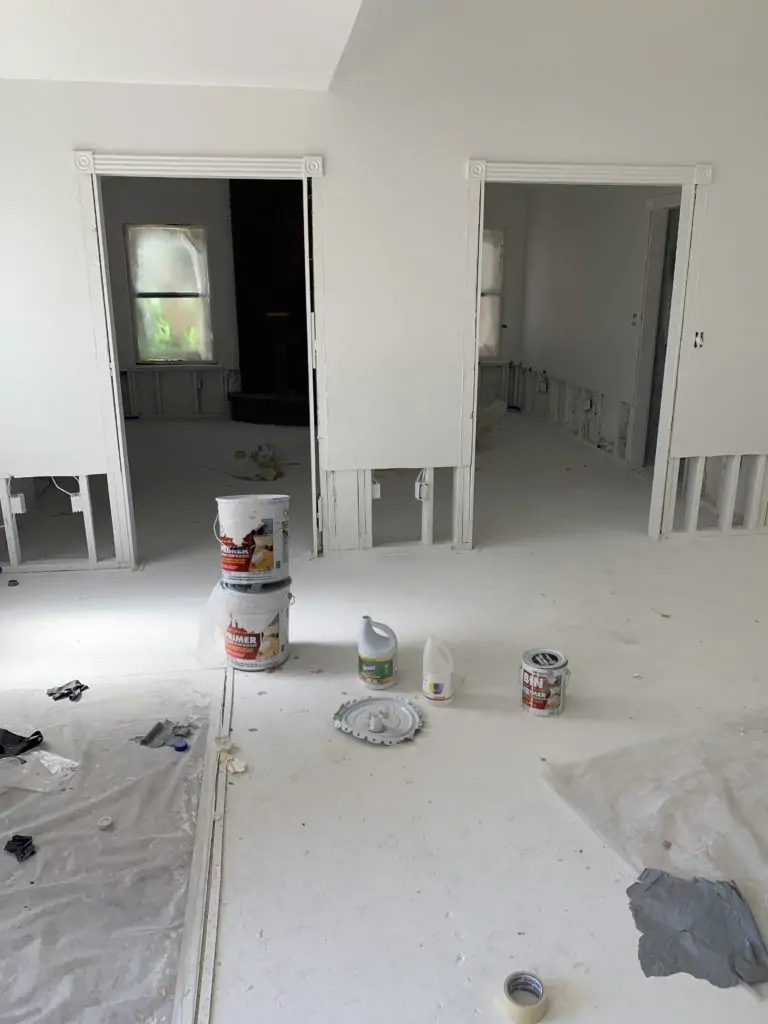
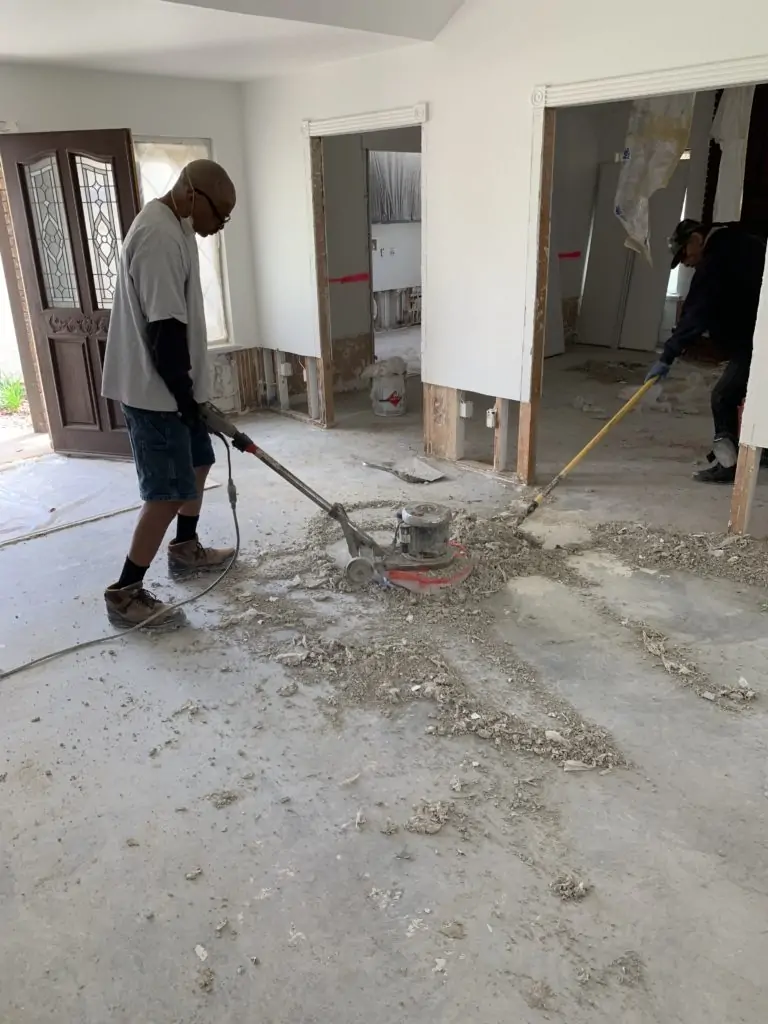
That’s most of our concrete work. Our pet odor inspection tells us what’s on the slab and how deep the contamination goes.
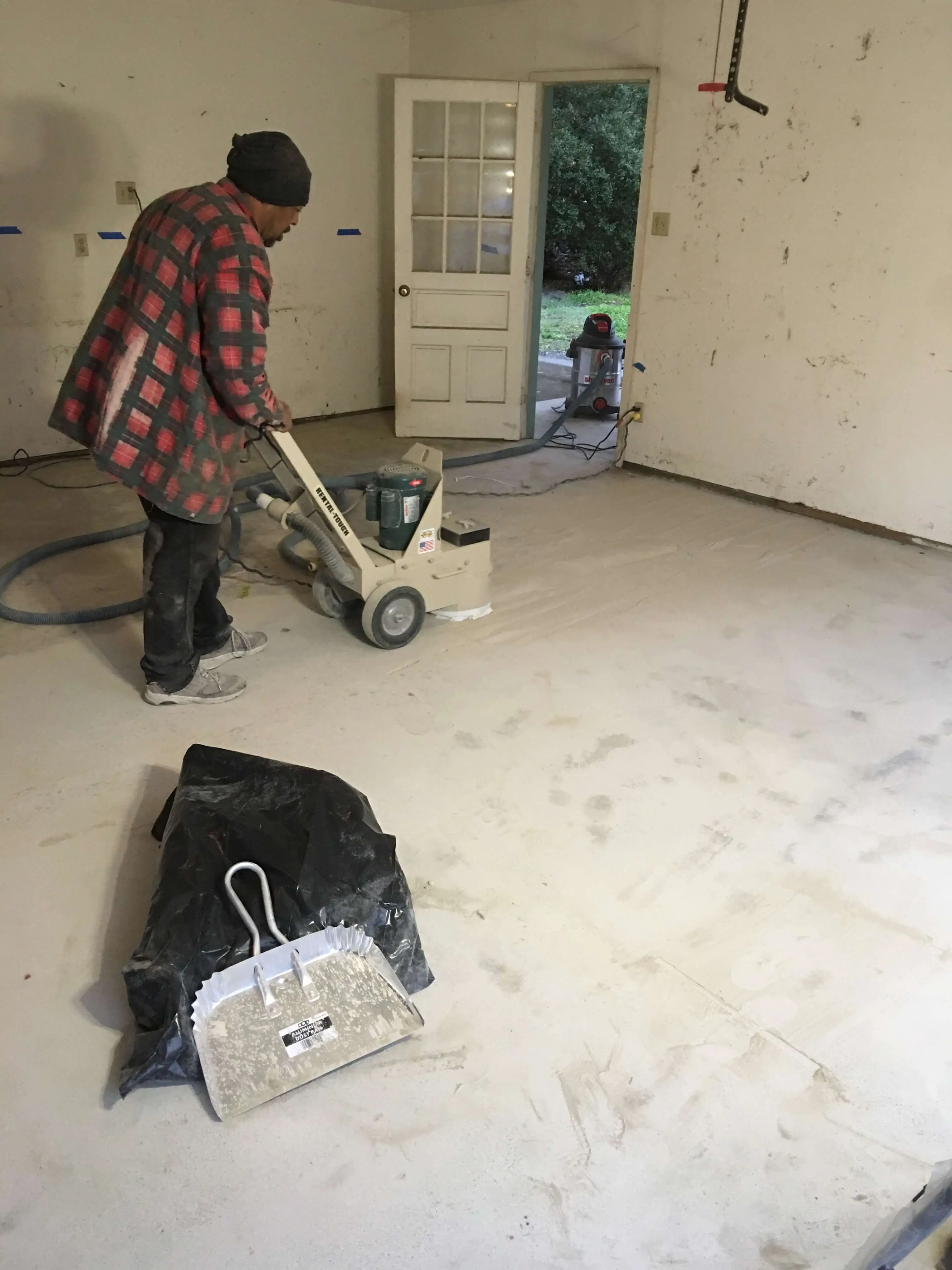
Whatever the treatment, the preparation determines whether it holds.
Skip the prep and the treatment fails. That’s why most of the slabs we see were treated once already.
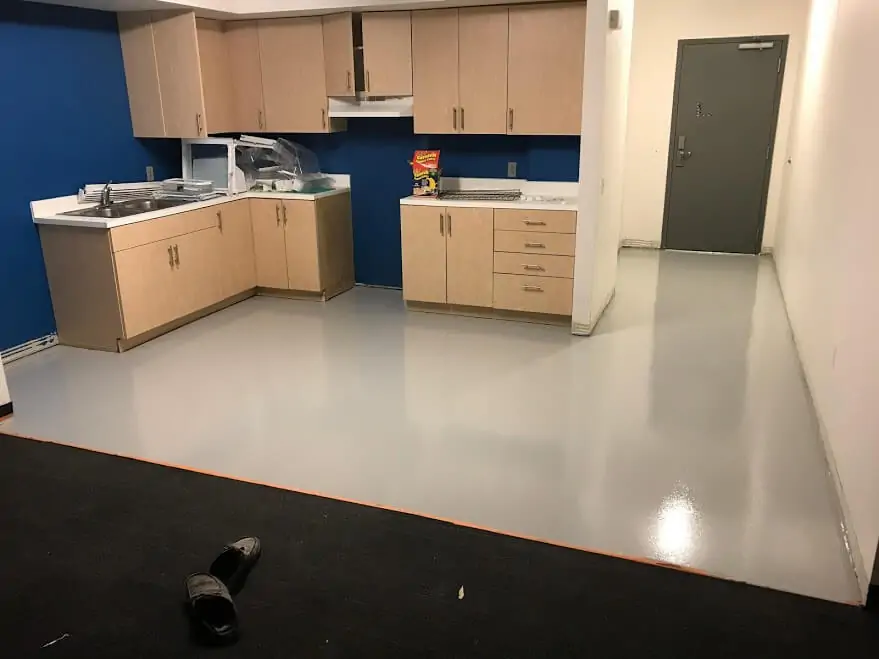
The Odor Encapsulator is our primary concrete treatment and the one most clients choose — they want the odor gone with a 5-year guarantee behind it. It’s applied to the properly prepared concrete and bonds to the substrate, encapsulating the odor source so it can’t release back into the space. Concrete treated this way carries our 5-Year Odor-Free Guarantee.
Almost always headed under new flooring, so the encapsulator’s appearance doesn’t matter if it’s covered.
Can be finished after sealing. Once the encapsulator is applied, a finish coat in the sheen you want can go on top for a clean, finished look. Call for details.
Oxidizer treatment — an alternative. In selected situations we may use an oxidizing treatment instead of the Odor Encapsulator. It’s most useful when you want to preserve the existing appearance of stained, polished, decorative, or exposed concrete and don’t want a coating applied. The oxidizer option is not covered by our 5-Year Odor-Free Guarantee.
Garage slabs are where we get called most often for concrete.
Indoor/outdoor cats use the garage. Strays get in through gaps under doors and around vents. Dogs are kept or let out there. Litter boxes end up in the garage because nobody wants them in the house. Over time, the slab absorbs all of it.
A closed garage heats up. Heat is what drives odor out of contaminated concrete, so on a summer afternoon, a garage slab that seemed fine in the morning can be overwhelming. There’s also no airflow to dilute it.
Anything stored in the contaminated garage — boxes, fabric, furniture, sports gear — can absorb the odor. And in an attached garage, the smell travels into the house through the connecting door.
If a garage is being turned into a room or living unit, the slab needs to be treated before any flooring or finishes go in. Once walls and floors are finished over it, getting back to the concrete means tearing out the new work. And it doesn’t have to look like a treated floor — after sealing, a finish coat in the sheen you choose gives the garage a clean, finished floor.
It’s the most expensive mistake we see.
New flooring over untreated concrete doesn’t remove the odor, it covers it for a while. Eventually the odor works its way into the living space, and the new flooring can absorb it too.
At that point the only fix is to pull the flooring back up to reach the slab. Some of that new flooring gets damaged coming out and has to be replaced. You pay for the flooring twice and the remediation on top of it.
On a rental it’s worse. The new tenant has to move furniture back out, work around the job, or the unit sits empty while it’s done.
Treat the slab first. Then install.
Many California homes are built directly on a concrete slab with no wood subfloor. In those homes, pet urine that soaks through carpet and pad goes straight into the concrete. In homes with a wood subfloor instead, the same kind of contamination is addressed through our subfloor urine odor treatment.
It usually isn’t discovered until the carpet comes up — often during a remodel, a sale, or a tenant turnover. The pad has held urine against the slab for years, and the concrete underneath is stained along the same patterns: wall edges, corners, doorways, and wherever the pets spent their time. Where the slab meets the wall, that contamination often continues up into the drywall as well, which we treat separately as part of our drywall urine odor removal service.
That’s the moment to treat it. The flooring is already out, the slab is exposed, and nothing new has gone down yet.
Outdoor concrete absorbs urine the same way indoor concrete does. Dogs use the same patch of patio or run every day, and the slab takes on heavy contamination in a small area — the same pattern we see with dog urine odor removal indoors.
Washing keeps the surface looking clean, but the smell returns when the sun heats the concrete or after it rains. For outdoor slabs, the same principle applies: prepare the concrete and treat the urine where it actually is.
Concrete contamination usually surfaces at turnover — the carpet comes up and the slab is stained, or the garage smells so strongly the unit is hard to show.
The inspection tells you the scope and cost with an itemized estimate, which also documents the condition for the deposit. Treating the slab once is far cheaper than re-flooring a unit twice.
If you’re remodeling or flipping a property, urine odor in the slab is a disclosure problem, not just a smell problem.
New flooring over a contaminated slab may get through a walkthrough. Once the home is closed up and the slab warms, the odor returns and the buyer has a complaint that traces back to work you signed off on. We handle the concrete before the flooring goes down, and the inspection documents what was found and what was treated.
Yes — that’s most of our concrete work. We grind off the failed coating, prepare the slab, and seal the odor source. The original coating usually failed because the slab wasn’t prepared or was still holding moisture, not because the product was bad.
No. Acid etching adds moisture, and moisture reactivates urine. All our prep is mechanical grinding so the slab stays dry and clean.
Enzymes work well as maintenance cleaners on carpet and flooring. On a slab where urine has been crystallizing in the pores for months or years, a surface application can’t reach the contamination, and many enzyme products include deodorizers that mask the smell temporarily.
Heat drives odor out of contaminated concrete. A closed garage heats up quickly and has little airflow, so the release is strongest on hot afternoons.
Yes, the Odor Encapsulator is a coating. Interior slabs are normally covered by new flooring, so it doesn’t matter there. Garage slabs can get a finish coat in the sheen you want after sealing. If you have stained, polished, or decorative concrete you want to keep as it is, the oxidizer option preserves the surface, with the trade-off that it isn’t covered by the guarantee.
Yes, once the treatment has cured. Treating the slab before installation is the point — flooring over an untreated slab usually has to come back up later.
Yes — patios, walkways, and dog runs absorb urine the same way indoor slabs do.
That depends on the size of the slab and how deep the contamination goes. The inspection gives you a timeline along with the estimate.
Our 5-Year Odor-Free Guarantee applies to qualifying structural surfaces that are properly exposed, prepared, and treated with the Odor Encapsulator System. If the original pet urine odor returns from those treated surfaces due to the same contamination we remediated, we return and re-treat at no additional charge during the guarantee period. It doesn’t cover new pet accidents, untreated areas, concealed materials the customer elected not to expose, or work performed by others. The oxidizer option is not covered.
If the slab was already treated and the smell came back, the source was never reached. An inspection tells you what’s on the concrete, how deep the contamination goes, and what it will take to eliminate it.
Serving California since 1989·5-Year Odor-Free Guarantee on encapsulator-treated surfaces
CALIFORNIA CONCRETE URINE ODOR SEALER SERVICE
CAT URINE SMELL REMOVAL FROM CONCRETE
REMOVE DOG URINE SMELL FROM CONCRETE
PET URINE SMELL REMOVAL CONCRETE
REMOVE ANIMAL URINE SMELL FROM CONCRETE