Smell coming from under the house? We clean out the crawlspace, treat the contamination, and seal the paths odor uses to get into your home.
Serving California since 1989
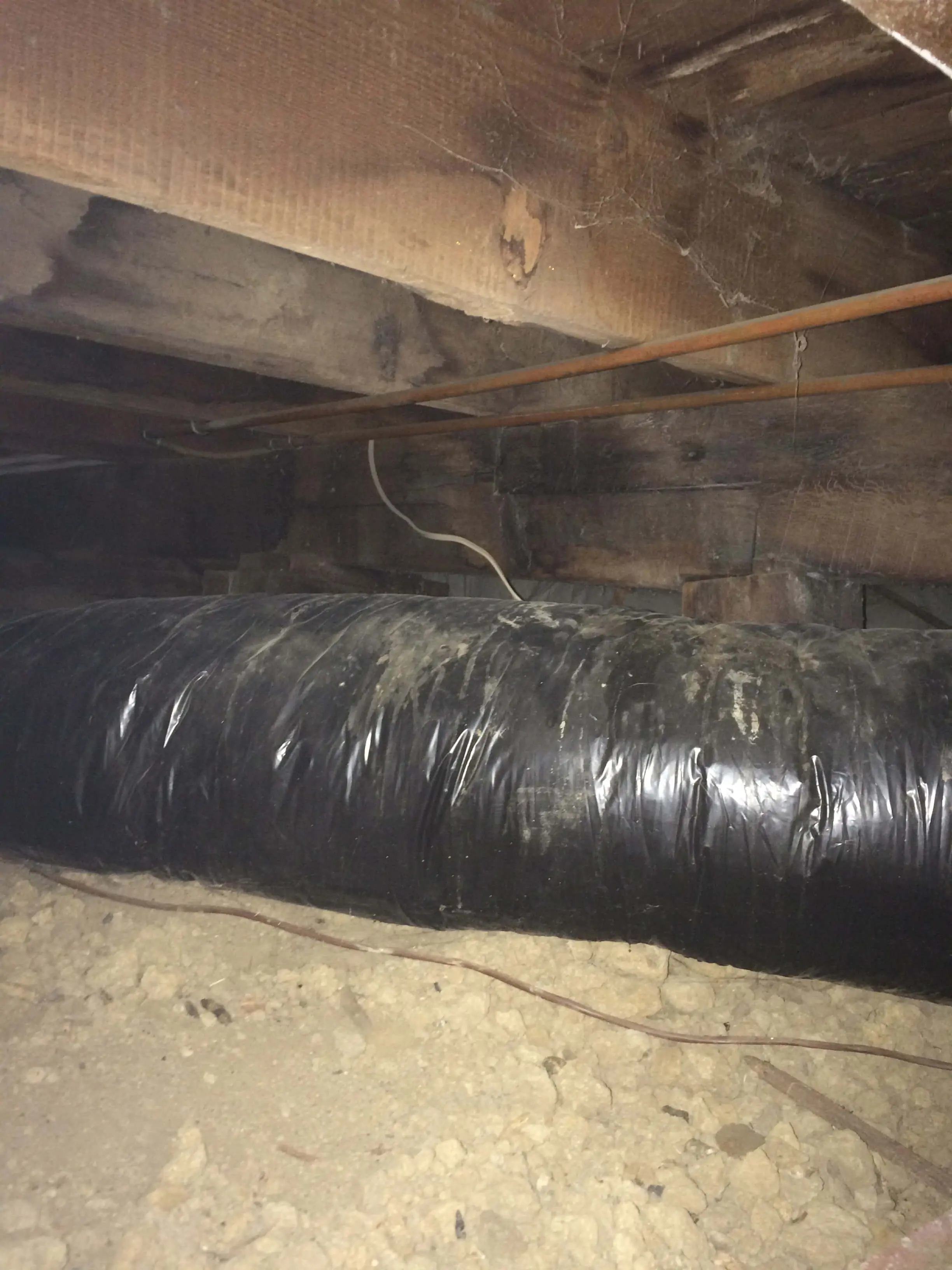
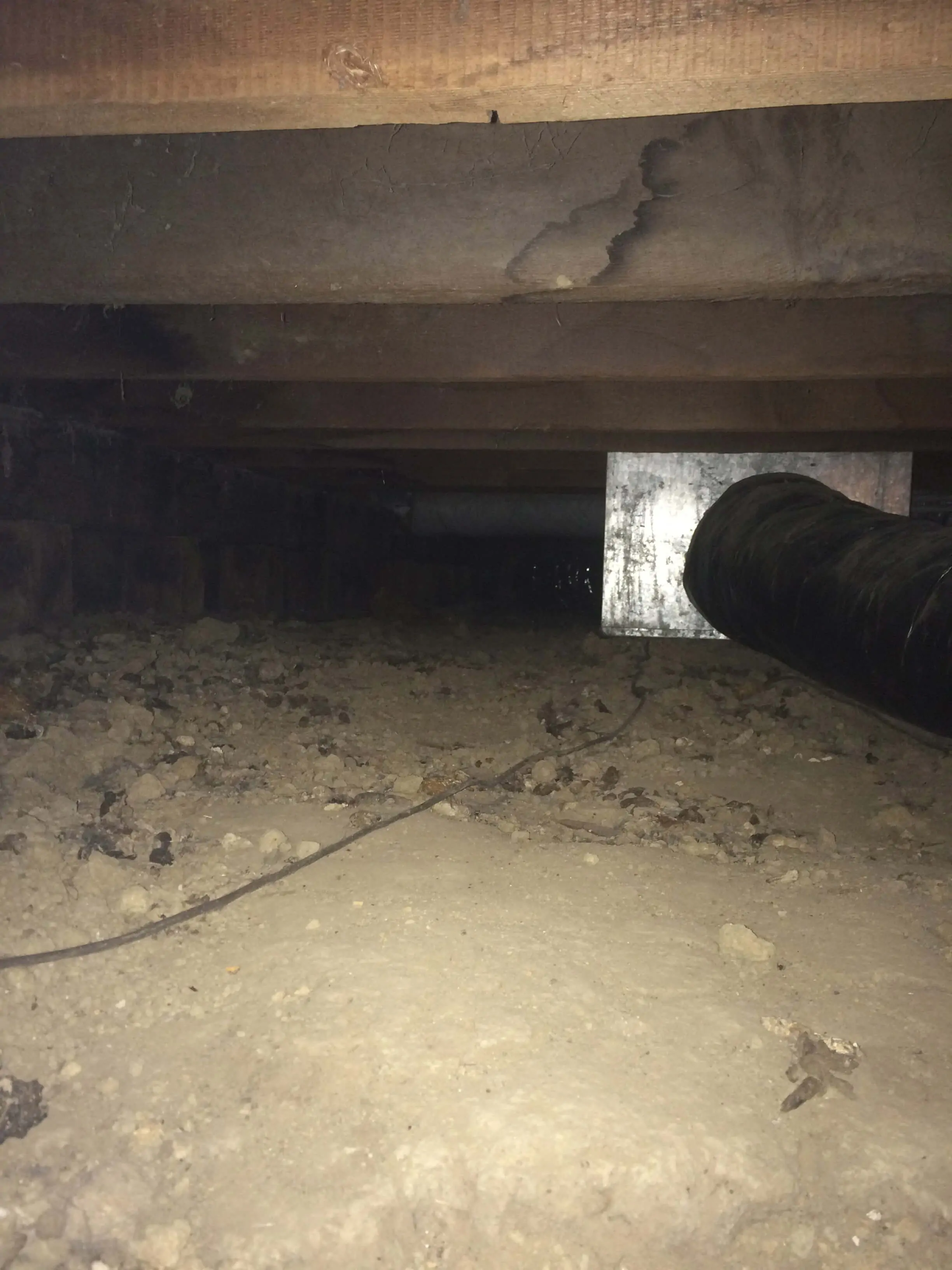
Crawlspaces are where cats, strays, and wildlife go when they can get under a house. Over time, the soil fills with urine and feces, cats spray the footers and retaining walls, and rodents leave droppings along the foundation.
That odor doesn’t stay in the crawlspace. Air under the house moves up into the living space through gaps in the subfloor — pinholes, seams between floorboards, openings around pipes and ducts. You end up smelling what’s under the house in the rooms above it.
That’s why cleaning inside the house doesn’t solve it. The source is below the floor.
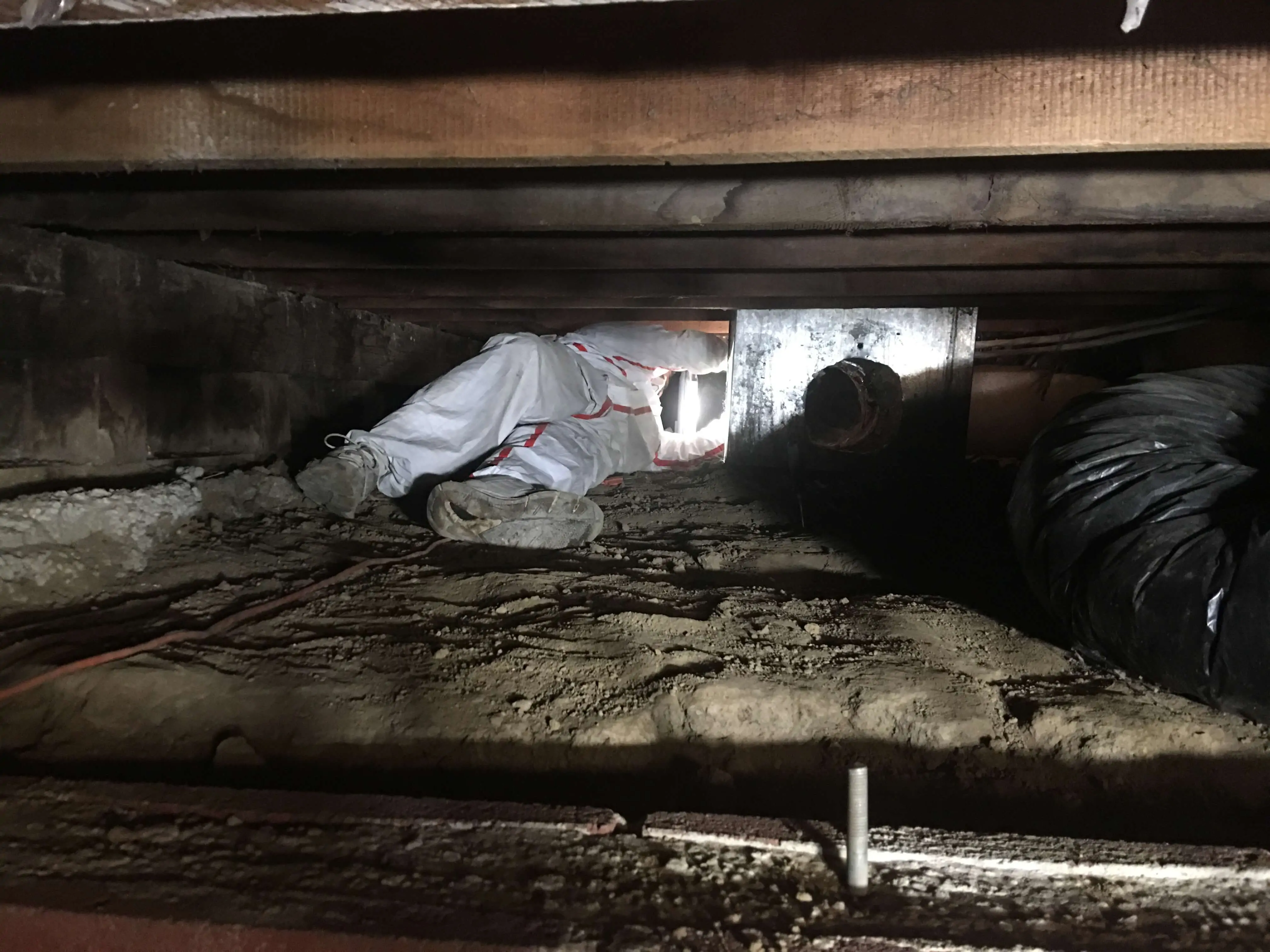
Our crawlspace pet odor inspection finds the contamination and checks your subfloor for the gaps odor travels through.
We go under the house and document what’s there — feces, urine-soaked soil, cat spray on the footers and walls, rodent activity, damp areas. We also check the subfloor from underneath: if we can see light coming through pinholes or gaps between the floorboards, that’s a path for odor into the house, and we’ll show you where.
All traces of cat and animal feces, rodent droppings, and debris are removed as part of the initial cleanup.
The contaminated soil is treated with our oxidizing solution. Standard treatment is 24 hours; severe and extreme cases get 48 or 72 hours. See our oxidizer urine odor treatment page.
Concrete footers, block walls, and retaining walls are inspected for cat spray and urine. Where we confirm cat spray, we generally recommend sealing them with our Odor Encapsulator first, since that’s the treatment the guarantee covers. They can also be saturated with the oxidizer.
Wet or damp areas are dried so they don’t keep contamination active.
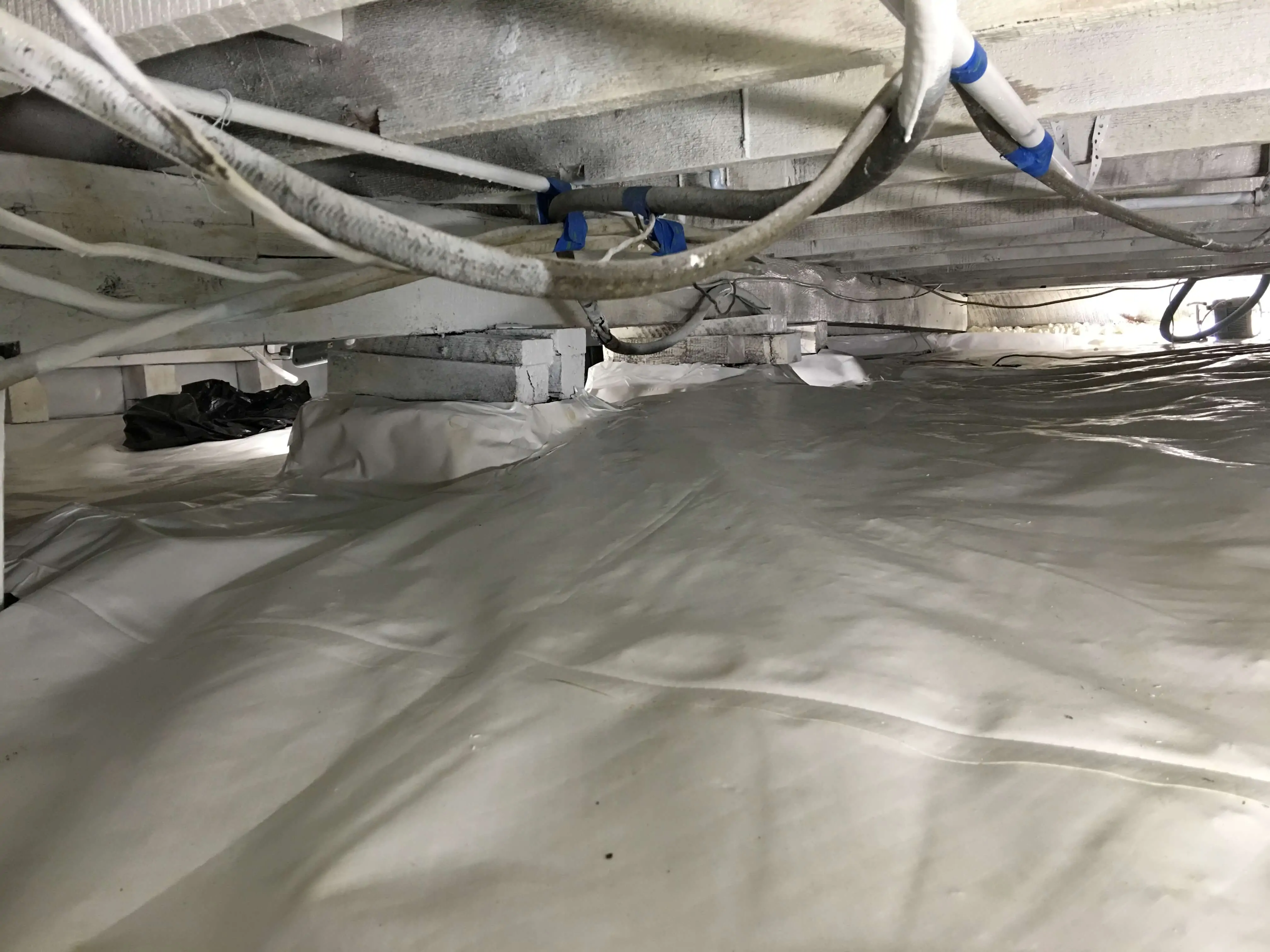
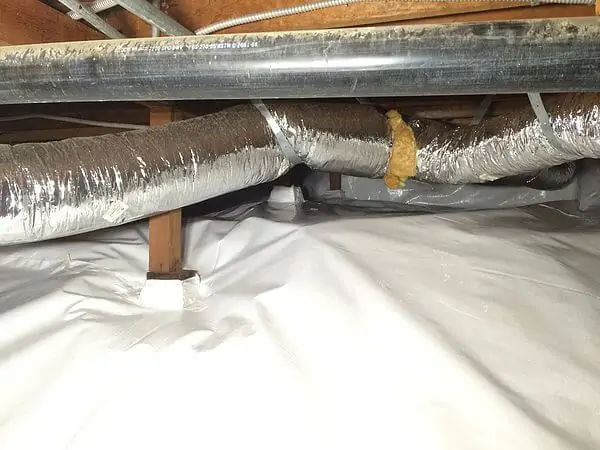
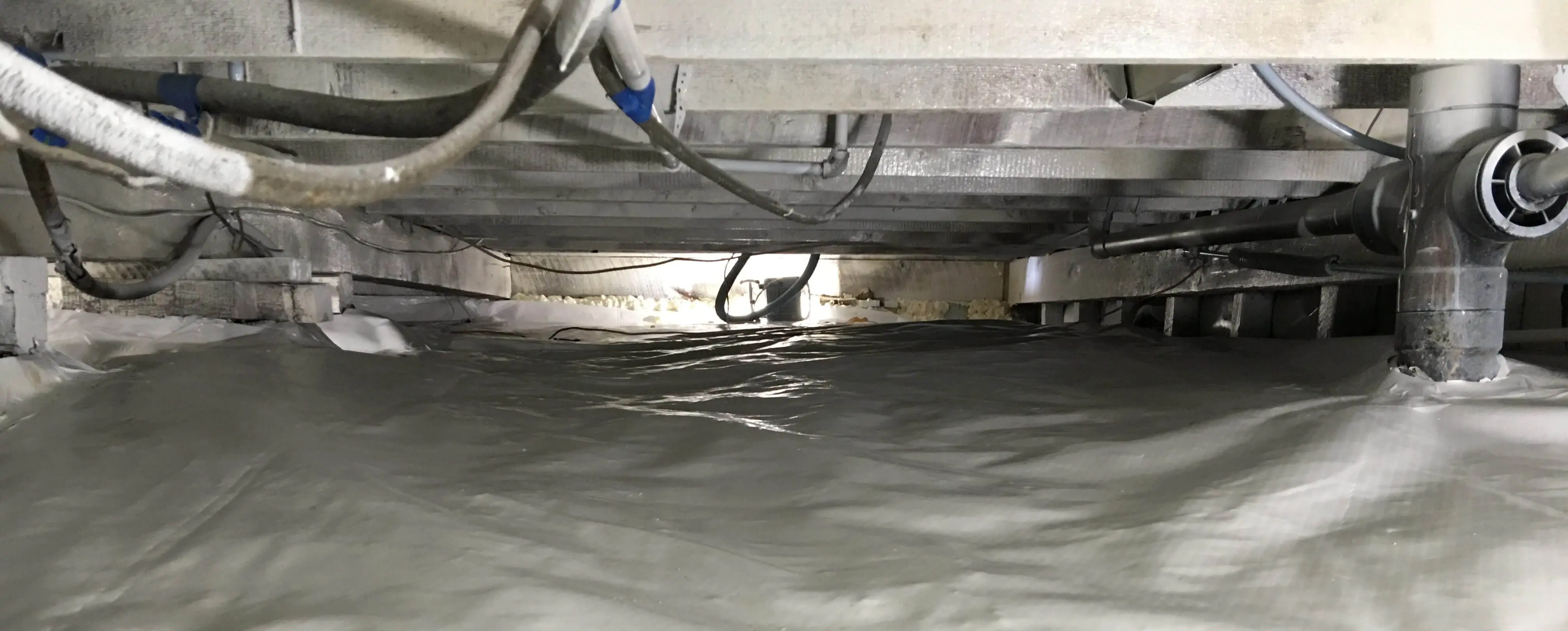
When recommended, 20-mil anti-microbial vinyl odor barrier sheeting can be installed over the soil to help reduce odor and vapor movement from the crawlspace. It’s fitted around the pilings, attached to the retaining walls, and joined at the seams with moisture-proof tape.
Where gaps, pinholes, or seams are allowing crawlspace air into the home, those openings can be sealed from below as a preventive measure. This doesn’t mean the upper surface of the subfloor has been confirmed free of urine contamination beneath the floor covering. Where the subfloor is contaminated on its underside, it can be treated with our Odor Encapsulator.
Not every crawlspace needs every step. The inspection determines what yours needs, and you get an itemized estimate before any work begins.
We prefer no occupancy at least overnight while the initial treatment is underway, for people and pets. The odor usually subsides overnight. In severe to extreme cases where a final dose is needed, plan on one extra night — longer if anyone is sensitive to strong disinfecting or sanitizing odors.
Here’s why. Urine that has been under a house for years breaks down into highly concentrated compounds. Many crawlspaces have also been treated before with other products. When our oxidizing treatment goes to work on all of that, it can give off stronger odors than a typical treatment while it does its job.
Those odors clear. But for comfort and safety, we don’t treat crawlspace soil with anyone living in the home. We’ll give you a clear timeline for when it’s ready to return to.
Even a well-treated crawlspace can send odor upstairs if the floor above it leaks air. Sealing the subfloor closes that path.
During the inspection we look at the subfloor from below. Light coming through pinholes or gaps between flooring joints means air — and odor — is getting through. We’ll tell you what we find.
Sealing the subfloor can be done as part of a full crawlspace job, or as a standalone service, depending on the situation and how severe the odor is. See our subfloor odor sealing page.
Rodents use crawlspaces for nesting and travel, and they leave droppings and urine throughout the soil and along the framing. We remove droppings and nesting material and treat the contaminated soil and surfaces. We come in after pest control has removed the rodents — we treat the odor they leave behind. See our rodent odor removal page.
Our 5-Year Odor-Free Guarantee applies to qualifying structural surfaces that are properly exposed, prepared, and treated with the Odor Encapsulator System — such as footers, walls, and subfloor surfaces sealed with the encapsulator.
The oxidizer soil treatment is not covered by the guarantee. The guarantee also doesn’t cover new contamination, untreated areas, concealed materials the customer elected not to expose, or work performed by others.
Crawlspace barriers and subfloor air-gap sealing are separate, optional preventive services. They help reduce odor migration from the crawlspace into the home, but they are not covered by the 5-Year Odor-Free Guarantee. The soil itself is not a structural surface, and in many cases we cannot confirm whether the top side of the subfloor is contaminated underneath the existing floor covering.
Air moves up from the crawlspace through gaps in the subfloor. The odor from the soil comes into the house with it.
Plan to be out at least overnight — people and pets — while the initial treatment is underway. The odor usually subsides overnight. Severe to extreme cases needing a final dose take one extra night. The treatment can give off stronger-than-usual odors while it works on long-term urine contamination.
An optional service: 20-mil anti-microbial vinyl odor barrier sheeting installed over the soil, fitted around the pilings, attached to the retaining walls, and taped at the seams, to help reduce odor and vapor movement into the home. It isn’t covered by the 5-year guarantee.
Yes. All traces of cat and animal feces, rodent droppings, and debris are removed as part of the initial cleanup.
Yes. We seal air gaps in the subfloor to stop odor from entering the home, and contaminated subfloor surfaces can be treated with our Odor Encapsulator from below.
No. We treat the odor after pest control or wildlife removal has removed the animals.
No. The guarantee covers surfaces treated with the Odor Encapsulator, such as footers, walls, and subfloor surfaces. The soil treatment, barrier, and air-gap sealing aren’t covered.
Find out what’s under your house, where the odor is getting in, and what it will take to stop it.
Serving California since 1989
20 mil odor barrier
Crawl space vapor barrier
Remove Cat Urine Odor From Crawl Space
Remove rodent feces
Treat Crawl Space With Disinfectant