Strong odors in a home don’t just randomly appear. If there’s a persistent smell hanging in the air, there’s usually a hidden culprit. Most commonly, severe dog or cat urine damage is to blame. The problem gets complicated when people assume regular cleaning services, like carpet cleaning, are enough. They often find out the hard way that spraying a deodorizer or steam cleaning the carpet barely makes a dent.
That’s when the reality hits—this isn’t just a cleaning problem, it’s a structural issue. Odor remediation goes much deeper. It’s not about masking smells; it’s about removing the actual source, which is often soaked into subfloors, baseboards, and other hidden areas.
You’ve probably seen people online giving advice about baking soda, vinegar, or enzyme sprays for pet urine. Sure, these tricks can work for mild cases. But what happens when the smell is so bad that you can’t walk into a room without wrinkling your nose?
That’s the kind of situation where DIY methods wave the white flag. In fact, by the time most homeowners reach out for odor remediation service, they’ve already removed the flooring themselves and tried every cleaner on the market, usually with little to no improvement. That’s the moment you realize this is beyond surface cleaning.
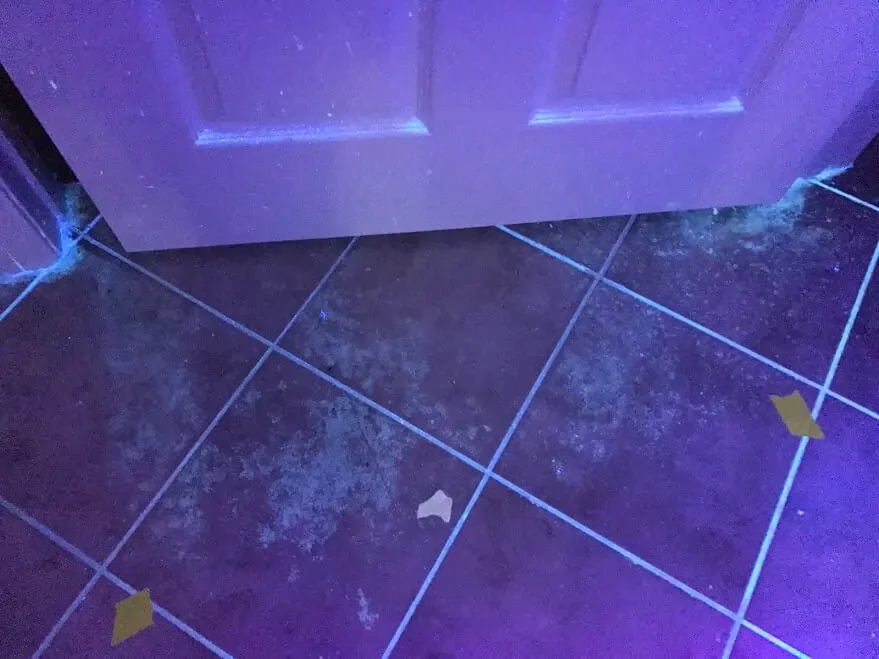
Most folks assume the carpet holds the worst of it. But pet urine doesn’t follow rules. It soaks through the fibers, padding, and then into the wooden subfloor or even concrete. By the time the scent becomes unbearable, the flooring might already be beyond saving.
That’s why odor remediation service includes full flooring and carpet removal when necessary. Unlike carpet cleaning, which only targets the visible surface, true remediation digs down to the bones of the structure. Every layer that’s been compromised by odor is treated, sealed, or replaced.
There’s a good reason people confuse odor remediation with carpet cleaning—they both involve floors, right? But that’s where the similarity ends. Think of odor remediation as a surgical operation, not just a quick rinse. It’s a targeted process, designed to locate and eliminate embedded urine damage.
Professional odor remediation service involves everything from moisture detection tools to sealing compounds and odor-blocking agents. It’s about ensuring the odor doesn’t just come back two weeks later during a heatwave. Most cleaning companies aren’t equipped for this level of deep remediation, and that’s where confusion begins.
Let’s say you just bought a house in Orange County that was home to multiple pets for years. The carpets are gone, but that smell lingers like an uninvited guest. This is where a true odor remediation crew steps in. They assess the damage first, checking walls, subfloors, and even behind baseboards.
Depending on the findings, parts of the structure may need treatment or replacement. It’s not glamorous work, but it’s necessary if you’re serious about restoring a home to livable condition. The process might include sealing wood with odor-blocking primers or removing and replacing affected drywall. It’s thorough, methodical, and often eye-opening.
It’s no exaggeration to say strong pet odors can kill a home sale. Walkthroughs become awkward when potential buyers can’t get past the smell. Sellers sometimes try to distract with candles or air fresheners, but buyers aren’t easily fooled. That’s why odor remediation becomes essential before listing a property.
The goal isn’t to temporarily cover the odor—it’s to eliminate it at its source. Whether you’re prepping a rental unit in Los Angeles or selling a house in Dallas, no amount of staging will help if the scent of old pet accidents still hangs in the air. Investing in proper odor remediation can preserve the property value and speed up a sale.
Smells aren’t all created equal. Some are fresh and easy to fix; others have had years to seep into every crack. Cat urine, for example, is notoriously tough to remove due to its strong ammonia-like properties. It clings to surfaces and intensifies over time, especially during humid weather.
Concrete floors absorb urine deeply, requiring advanced cleaning techniques and sealing treatments. In such cases, odor remediation services must go beyond cleaning—they must neutralize and block. You can’t take shortcuts here. Even a small missed area can undo all the progress and bring the smell right back.
If you’re already at the point of considering professional help, you’ve likely cleared the room or even started tearing up the carpet. That’s a good start, but stopping there won’t deliver long-term results. You need to think like a remediation team—ask: Did the urine reach the subfloor? Has it wicked up into the drywall? Any visible staining or unusual discoloration?
Getting an odor remediation service involved early helps avoid costly re-dos. They bring the tools, knowledge, and products needed to fully resolve the issue. And no, spraying perfume over it doesn’t count as a plan.
Sure, the idea of removing floors and treating sublayers might sound extreme. But compared to living in a house that smells like a dog kennel, it’s a small price to pay. Odor remediation works because it targets the exact cause, not the symptoms. It’s a systematic approach backed by science and real-world experience.
You don’t need to feel embarrassed about calling for help. Pet odors happen. What’s important is doing something about it before the problem becomes permanent. An odor remediation service can turn an unbearable living situation into a fresh start, literally.
Removing complex odors from a home takes more than elbow grease and a few scented candles. It requires a thoughtful, strategic approach rooted in the science of odor remediation. When dog or cat urine seeps into the deeper layers of a home’s structure, basic cleaning just won’t cut it.
That’s where odor remediation services prove their worth—by diving deep into the problem and eliminating the smell at its source. Whether you’re a homeowner, landlord, or real estate agent, understanding this difference can save time, money, and a whole lot of frustration. So if you’re still wondering why that awful smell won’t go away, maybe it’s time to stop scrubbing and start thinking about real remediation.